17.9 C
Jammu
Monday, November 2, 2026

GMC Jammu and ICMR Launch Workshop to Enhance Cancer Care

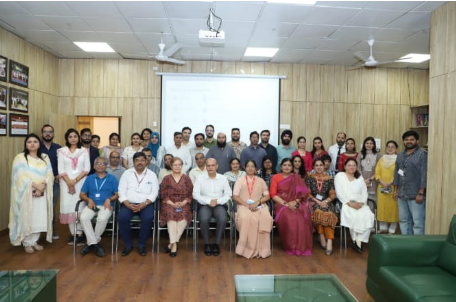
Jammu, October 8, 2026: A significant workshop aimed at enhancing cancer care in Jammu & Kashmir and Ladakh concluded on October 8, 2026, at the Government Medical College (GMC) Jammu. Organised by GMC Jammu and the Indian Council of Medical Research (ICMR), this two-day event focused on developing strategies for the prevention and screening of breast, oral, cervical, and gastric cancers, as well as improving survival rates for breast cancer.

Bringing together medical experts, researchers, and government officials, the workshop served as a critical platform for dialogue and collaboration. As cancer rates rise, particularly for breast and other cancers, this initiative seeks to establish practical, evidence-based strategies to improve diagnosis and treatment across the region. During the workshop, participants explored gaps in the current healthcare system, aiming to create interventions tailored to local needs.

Implementing Effective Cancer Care Strategies

Under the leadership of Dr. Ashutosh Gupta, Principal of GMC Jammu, and Dr. Jyotsna Suri, HOD Pathology, multi-disciplinary teams from ICMR, including experts such as Dr. Nisha Jose and Dr. Bhawana Sirohi, engaged in discussions pinpointing challenges in deploying health interventions. They emphasized the importance of programmes that resonate with the specific needs of the community.

One session notably addressed Data Management and the RED Cap Platform, led by Dr. Pulkit Verma, program officer at ICMR Headquarters. This part of the workshop highlighted robust data collection methods necessary for tracking healthcare efficacy and ensuring informed decision-making in cancer care.

Improving Breast Cancer Survival Rates

A vital aspect of the workshop focused on crafting a proposal aimed at bolstering breast cancer survival rates. The initiative aspires to tackle various challenges within the breast cancer care pathway—from raising awareness to facilitating early detection and access to treatments. This collaborative proposal development sought input from various stakeholders to pinpoint interventions that could drastically enhance patient outcomes.

Moreover, a comprehensive strategy for integrated screening of cancers was discussed. This approach aims to optimize the existing health system by targeting high-risk populations, bolstering screening services, and creating efficient referral systems for those requiring advanced investigation.

Collaboration for Effective Public Health

The workshop underscored the significance of collaboration among national researchers, government representatives, and local healthcare providers. This integration fosters a multi-faceted approach to public health challenges. The participation of ICMR experts and officials from the Union Territory administration illustrated the urgent need for cohesive public health programmes tailored to the locality.

Future Directions

The outcomes from this workshop are set to pave the way for significant improvements, including:

  • Enhancing cancer awareness and prevention campaigns.
  • Promoting population-wide screening for major cancers.
  • Facilitating early diagnosis and timely referrals.
  • Streamlining treatment pathways for breast cancer.
  • Creating evidence-based intervention models adaptable to local needs.
  • Utilizing digital platforms for better data management and monitoring.
  • Generating actionable insights to guide future cancer control strategies.
  • Fostering enhanced coordination between various healthcare entities.

A Pivotal Move Towards Better Health Outcomes

The ICMR-GMC Jammu workshop signifies a crucial step forward in crafting a systematic, evidence-driven cancer prevention and care approach for Jammu & Kashmir and Ladakh. By uniting policymakers, researchers, and healthcare professionals, the initiative strives to bridge the gap between research findings and their practical applications. This collaboration aims to ensure that advances in healthcare translate into real benefits for the affected communities, ultimately working towards earlier cancer detection, adequate care provision, and improved quality of life for patients.


Related Articles

- Advertisement -spot_img

Latest Articles

GMC Jammu and ICMR Launch Workshop to Enhance Cancer Care

Jammu, October 8, 2026: A significant workshop aimed at enhancing cancer care in Jammu & Kashmir and Ladakh concluded on October 8, 2026, at the Government Medical College (GMC) Jammu. Organised by GMC Jammu and the Indian Council of Medical Research (ICMR), this two-day event focused on developing strategies for the prevention and screening of breast, oral, cervical, and gastric cancers, as well as improving survival rates for breast cancer.

Bringing together medical experts, researchers, and government officials, the workshop served as a critical platform for dialogue and collaboration. As cancer rates rise, particularly for breast and other cancers, this initiative seeks to establish practical, evidence-based strategies to improve diagnosis and treatment across the region. During the workshop, participants explored gaps in the current healthcare system, aiming to create interventions tailored to local needs.

Implementing Effective Cancer Care Strategies

Under the leadership of Dr. Ashutosh Gupta, Principal of GMC Jammu, and Dr. Jyotsna Suri, HOD Pathology, multi-disciplinary teams from ICMR, including experts such as Dr. Nisha Jose and Dr. Bhawana Sirohi, engaged in discussions pinpointing challenges in deploying health interventions. They emphasized the importance of programmes that resonate with the specific needs of the community.

One session notably addressed Data Management and the RED Cap Platform, led by Dr. Pulkit Verma, program officer at ICMR Headquarters. This part of the workshop highlighted robust data collection methods necessary for tracking healthcare efficacy and ensuring informed decision-making in cancer care.

Improving Breast Cancer Survival Rates

A vital aspect of the workshop focused on crafting a proposal aimed at bolstering breast cancer survival rates. The initiative aspires to tackle various challenges within the breast cancer care pathway—from raising awareness to facilitating early detection and access to treatments. This collaborative proposal development sought input from various stakeholders to pinpoint interventions that could drastically enhance patient outcomes.

Moreover, a comprehensive strategy for integrated screening of cancers was discussed. This approach aims to optimize the existing health system by targeting high-risk populations, bolstering screening services, and creating efficient referral systems for those requiring advanced investigation.

Collaboration for Effective Public Health

The workshop underscored the significance of collaboration among national researchers, government representatives, and local healthcare providers. This integration fosters a multi-faceted approach to public health challenges. The participation of ICMR experts and officials from the Union Territory administration illustrated the urgent need for cohesive public health programmes tailored to the locality.

Future Directions

The outcomes from this workshop are set to pave the way for significant improvements, including:

  • Enhancing cancer awareness and prevention campaigns.
  • Promoting population-wide screening for major cancers.
  • Facilitating early diagnosis and timely referrals.
  • Streamlining treatment pathways for breast cancer.
  • Creating evidence-based intervention models adaptable to local needs.
  • Utilizing digital platforms for better data management and monitoring.
  • Generating actionable insights to guide future cancer control strategies.
  • Fostering enhanced coordination between various healthcare entities.

A Pivotal Move Towards Better Health Outcomes

The ICMR-GMC Jammu workshop signifies a crucial step forward in crafting a systematic, evidence-driven cancer prevention and care approach for Jammu & Kashmir and Ladakh. By uniting policymakers, researchers, and healthcare professionals, the initiative strives to bridge the gap between research findings and their practical applications. This collaboration aims to ensure that advances in healthcare translate into real benefits for the affected communities, ultimately working towards earlier cancer detection, adequate care provision, and improved quality of life for patients.

Related Articles

- Advertisement -spot_img

Latest Articles